
Introduction
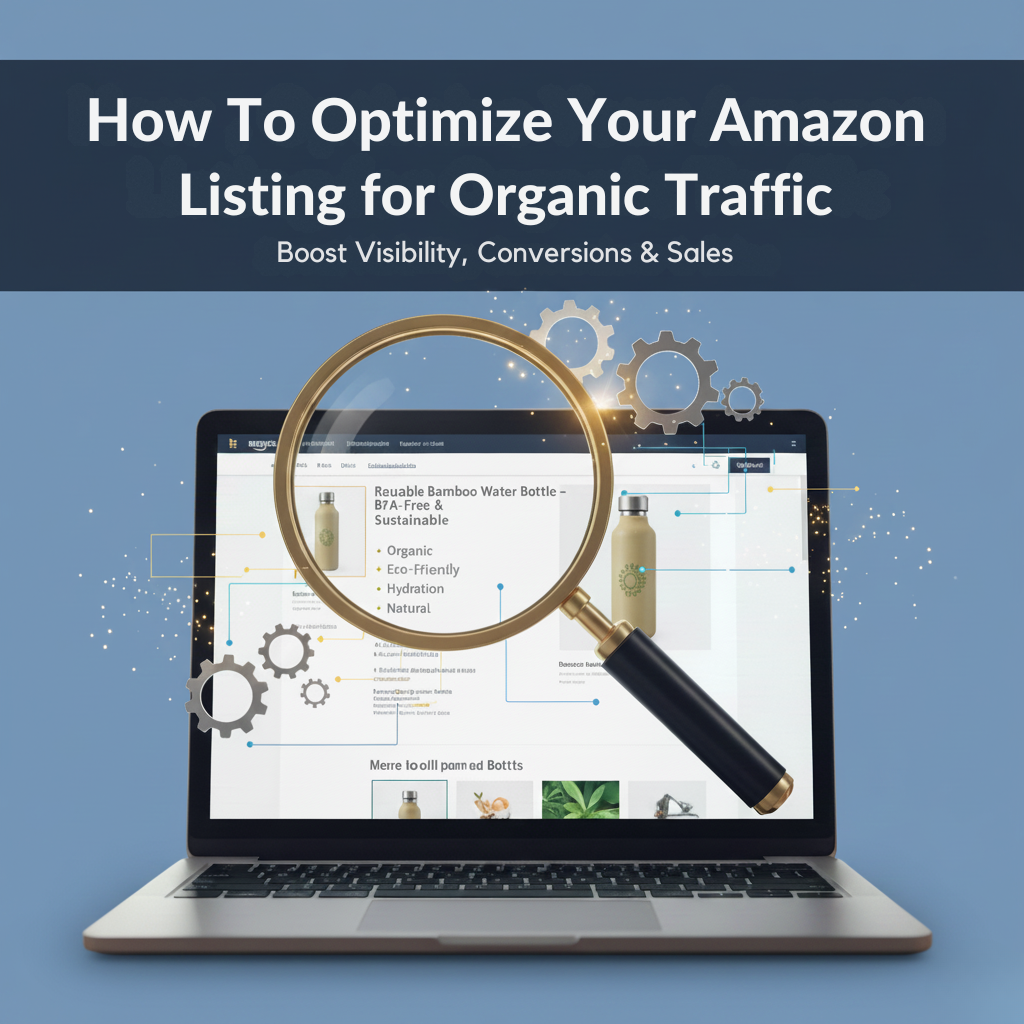
Optimizing your Amazon product listings is critical to increase visibility and drive sales. Effective Amazon listing SEO ensures your products appear in relevant searches and convert more buyers.
In this guide, we’ll cover proven strategies for Amazon listing SEO, including keyword research, listing structure, and performance optimization. For tools and detailed insights, explore Amazon selling strategy.
1. Conduct Thorough Amazon Keyword Research
The foundation of Amazon listing SEO is proper keyword research:
Identify primary and secondary keywords relevant to your product.
Use tools like Amazon Keyword Research for high-volume and long-tail keywords.
Include keywords in:
Product title
Bullet points
Product description
Backend search terms
Tip: Focus on keywords that match buyer intent for higher conversion rates.
2. Optimize Product Titles
A strong title improves click-through rates and rankings. Include:
Primary keyword near the beginning
Key product features (size, color, material)
Brand name (if applicable)
Example H2 for SEO: Optimizing Your Product Title for Amazon Listing SEO
3. Bullet Points and Product Description
Use bullet points to highlight key benefits and features.
Incorporate secondary keywords naturally.
In the product description, focus on clarity and persuasive copy.
Internal Link: Guide readers to Profitable Amazon Products for tips on choosing high-demand products.
4. Backend Keywords (Search Terms)
Add hidden keywords in the backend to capture additional search queries.
Avoid repetition; include synonyms and alternative phrases.
Example alt text:
Amazon backend keyword optimization chart
Tip: Backend optimization is a crucial part of Amazon listing SEO that many sellers miss.
5. Optimize Images for SEO
Include high-quality images showing multiple angles.
Add alt text with keywords for each image to help search engines understand your product:
Amazon listing SEO product imageorganic Amazon traffic optimization
High-quality images with descriptive alt text not only improve search visibility but also enhance the buyer experience and engagement.
6. Price and Review Optimization
Competitive pricing improves CTR and conversions.
Encourage genuine reviews; they boost ranking and trust.
Monitor metrics like conversion rate and click-through rate, which indirectly affect Amazon listing SEO.
7. Monitor and Adjust Listings
Track keyword performance and organic ranking.
Update titles, bullets, and descriptions based on traffic data.
Test new keywords or images to improve visibility.
Internal Link: Advanced strategies can be found in Amazon Keyword Research.
8. Use Enhanced Brand Content / A+ Content
If enrolled in Amazon Brand Registry, use A+ Content to add rich visuals and comparison charts.
Improves engagement, conversion, and organic rankings.
Alt Text Examples:
Amazon listing SEO A+ content exampleEnhanced Brand Content organic traffic
9. Leverage Promotions and External Traffic
Run discounts or coupons to increase sales velocity.
Drive external traffic from social media or blogs to boost Amazon ranking.
When considering fulfillment strategies to improve listing performance, learn more about Amazon FBA vs FBM to decide which model works best for your products.
10. Key Takeaways
Keyword research is the foundation of Amazon listing SEO.
Optimize titles, bullet points, descriptions, and backend keywords.
Use high-quality images and A+ Content to improve engagement.
Monitor performance, adjust listings, and leverage external traffic for better organic results.
By applying these Amazon listing SEO strategies, you can increase visibility, attract more buyers, and drive sales. For tools and expert guidance, visit Amazon selling strategy.


How to Optimize Your Amazon Listing for Organic Traffic
Introduction Optimizing your Amazon product listings is critical to increase visibility and drive sales. Effective...
Share this link via
Or copy link