
 Introduction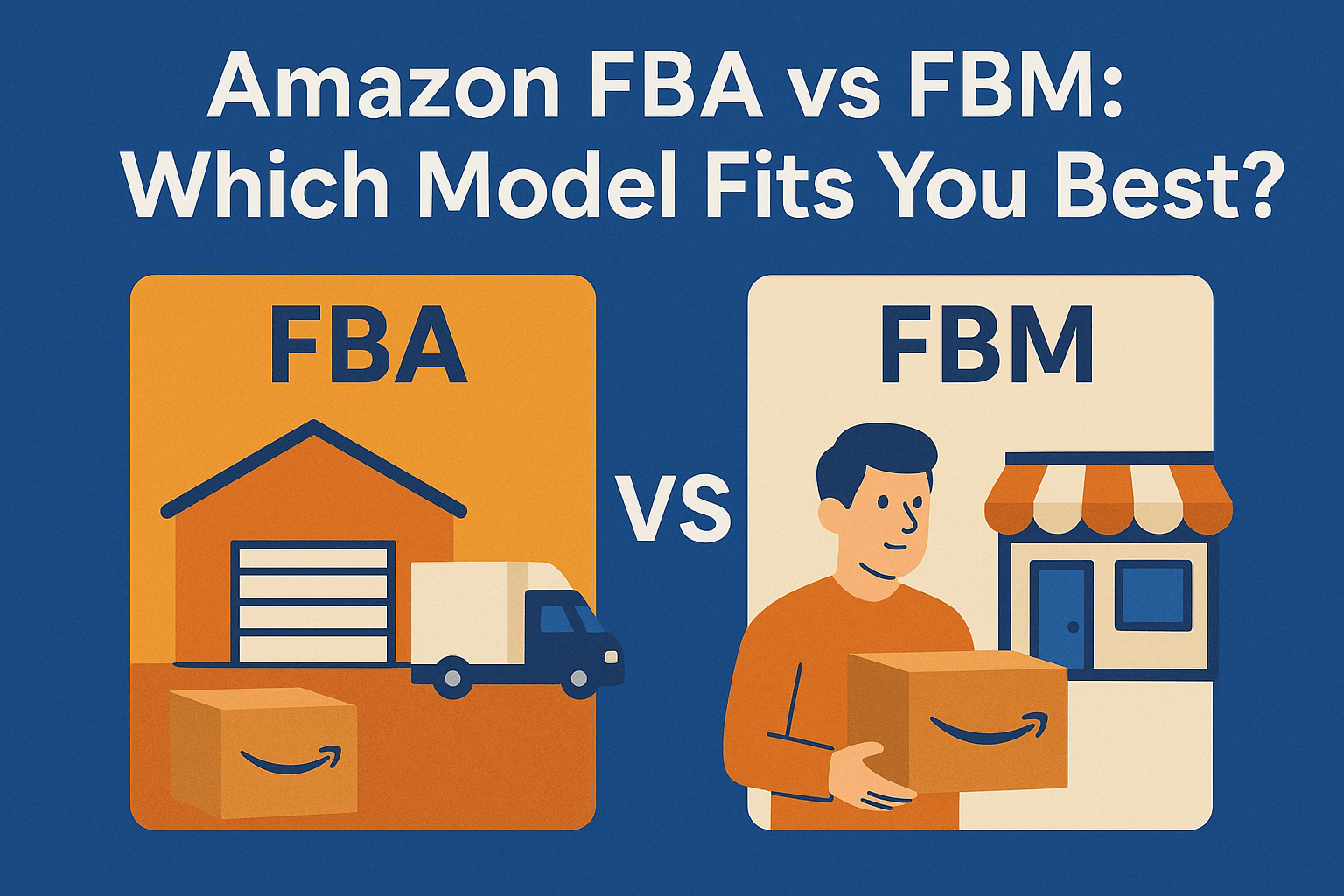
When selling on Amazon, one of the most critical decisions is choosing the right fulfillment model. Should you go with Amazon FBA vs FBM (Fulfillment by Amazon or Fulfillment by Merchant)?
The choice impacts profit margins, workload, scalability, and customer experience. This guide will break down the differences, pros and cons, and help you determine which model aligns best with your business goals. For tools, insights, and resources to manage your Amazon business effectively, explore Amazon selling strategy.
1. What is Amazon FBA vs FBM?
Fulfillment by Amazon (FBA) is a service where Amazon stores, packs, and ships your products. They also handle customer service and returns.
Benefits of FBA:
Prime Eligibility: Products automatically qualify for Prime, boosting visibility and conversions.
Hands-Off Fulfillment: Amazon handles logistics, storage, and returns.
Scalability: Easy to scale without worrying about warehouse space or shipping.
Considerations:
Fees: Storage, fulfillment, and optional services can impact profit margins.
Inventory Management: You must ensure timely restocking to avoid stockouts.
Learn more about maximizing profits with Amazon selling strategy tips for FBA.
2. What is FBM vs FBA?
Fulfillment by Merchant (FBM) means the seller stores, packs, and ships products directly to customers.
Benefits of FBM:
Lower Fees: You avoid Amazon’s FBA fees, keeping margins higher.
Control: Manage packaging, shipping speed, and inventory.
Flexibility: Ideal for custom or oversized products.
Considerations:
Time and Effort: Handling fulfillment yourself can be time-consuming.
No Prime Badge: Products may rank lower without Prime eligibility.
FBM can be highly profitable if you have a streamlined shipping process and low overhead.
3. FBA vs FBM: Key Comparison Factors
| Factor | FBA | FBM |
|---|---|---|
| Fees | Fulfillment, storage, optional services | Shipping and packaging only |
| Prime Eligibility | ✅ Automatic | ❌ Manual (can use Seller Fulfilled Prime) |
| Control | Limited | Full control over fulfillment |
| Time Commitment | Minimal | High |
| Scalability | Easy | Depends on infrastructure |
| Customer Service | Handled by Amazon | Handled by seller |
4. When to Choose FBA
FBA is ideal if:
You want to scale quickly without handling logistics.
Products are small to medium size (shipping and storage costs manageable).
You want the Prime badge for better visibility.
You want hands-off fulfillment to focus on marketing and product research.
High-volume sellers and those selling profitable Amazon products benefit most from FBA.
5. When to Choose FBM
FBM is best if:
You sell custom, fragile, or oversized products.
You want full control over packaging, shipping, and branding.
Sales volume is moderate; FBA fees may reduce profitability.
You can maintain fast shipping and excellent customer service.
FBM maximizes margins for niche products with lower competition.
6. Hybrid Model: Combining FBA and FBM
A hybrid approach works well for many sellers:
High-volume, fast-moving products → FBA
Low-volume, fragile, or niche products → FBM
This lets sellers enjoy Prime benefits while maintaining control over certain products, balancing cost, flexibility, and scalability.
7. Impact on Organic Rankings
Fulfillment choice affects organic Amazon rankings:
FBA listings rank higher due to better shipping metrics and Prime eligibility.
FBM can still rank well with fast shipping, low cancellations, and excellent reviews.
Optimizing performance metrics is key to maximizing organic Amazon traffic.
8. Profit Margin Considerations
FBA: Higher fees, potentially higher sales via Prime.
FBM: Lower fees, requires handling shipping/logistics.
Use tools like choose Amazon fulfillment model calculators to analyze profitability before deciding.
9. Customer Experience and Returns
FBA: Amazon handles returns seamlessly.
FBM: You must manage returns carefully.
High ratings and positive reviews improve rankings, regardless of fulfillment method.
10. Tips for Making the Right Choice
Analyze Product Type: Small/high-volume → FBA; large/custom → FBM
Calculate Costs: Include fees, shipping, storage, and labor
Consider Business Goals: Scale quickly vs full control
Test and Adjust: Many sellers start with one method and combine later
Explore Amazon FBA vs FBM resources for detailed guidance.
Conclusion
Choosing the right Amazon FBA vs FBM model impacts profitability, workload, and scalability.
FBA: Hands-off, Prime eligible, scalable
FBM: Full control, lower fees, flexible
Hybrid: Best of both worlds
Proper analysis ensures you select the model that fits your business and maximizes success on Amazon. For tools and strategies, visit Amazon selling strategy.


Amazon FBA vs FBM: Which Model Fits You Best?
Introduction When selling on Amazon, one of the most critical decisions is choosing the right...
Share this link via
Or copy link